Car tracking devices allow you to keep an eye on the whereabouts of your vehicles at all times. But are you aware of the fact that these tracking devices can potentially leak information about you? In this blog, we have included everything that you need to know about car tracking devices.

Is installing car tracking devices legal?
The use of GPS tracking to keep tabs on a person, vehicle, or other asset is simple and inexpensive. It is important to consider the legality before you begin tracking. Installing a GPS tracking device on any vehicle or asset you own is completely legal.
Be sure to check local, state, and federal laws before using it on someone else’s vehicle or property. It’s important to stay on top of the latest legal developments because laws are constantly being reworked in light of new cases. Use of a GPS tracking device is generally permitted if:
- The vehicle or asset is owned by you or your organization.
- You are the legal owner of the property at risk of being seized.
- Children under the age of 18 are the primary target of tracking.
- In case of a default on a loan, you want to be able to legally seize a vehicle or other asset.
Pros of having a tracking system in your car
Efficient emergency services
Using an app to alert emergency services to your location based on smartphone data makes it easier to locate you in an emergency. To make use of the app, your phone must be able to track its location through the use of the built-in GPS.
Indirect feedback for manufacturers
Your car’s data can help companies better understand trends in how people drive and why accidents occur, which in turn improves safety features and city planning. With this information, they can design safer cars, more secure cities, and find ways to ease the burdens of everyday life such as traffic and other inconveniences.
Better rideshares app experience
Location tracking is a requirement for Uber and Lyft, two popular ride-sharing services, to work. Using Yelp or Gas Buddy to find a good deal on gas is the same as using those services to find a nearby coffee shop.
Better know-how as a consumer
As an example, telematics or usage-based insurance can help drivers make better decisions about how, when, and where they drive, which not only saves money, but can also help prevent accidents, vehicle theft, and other dangerous situations.

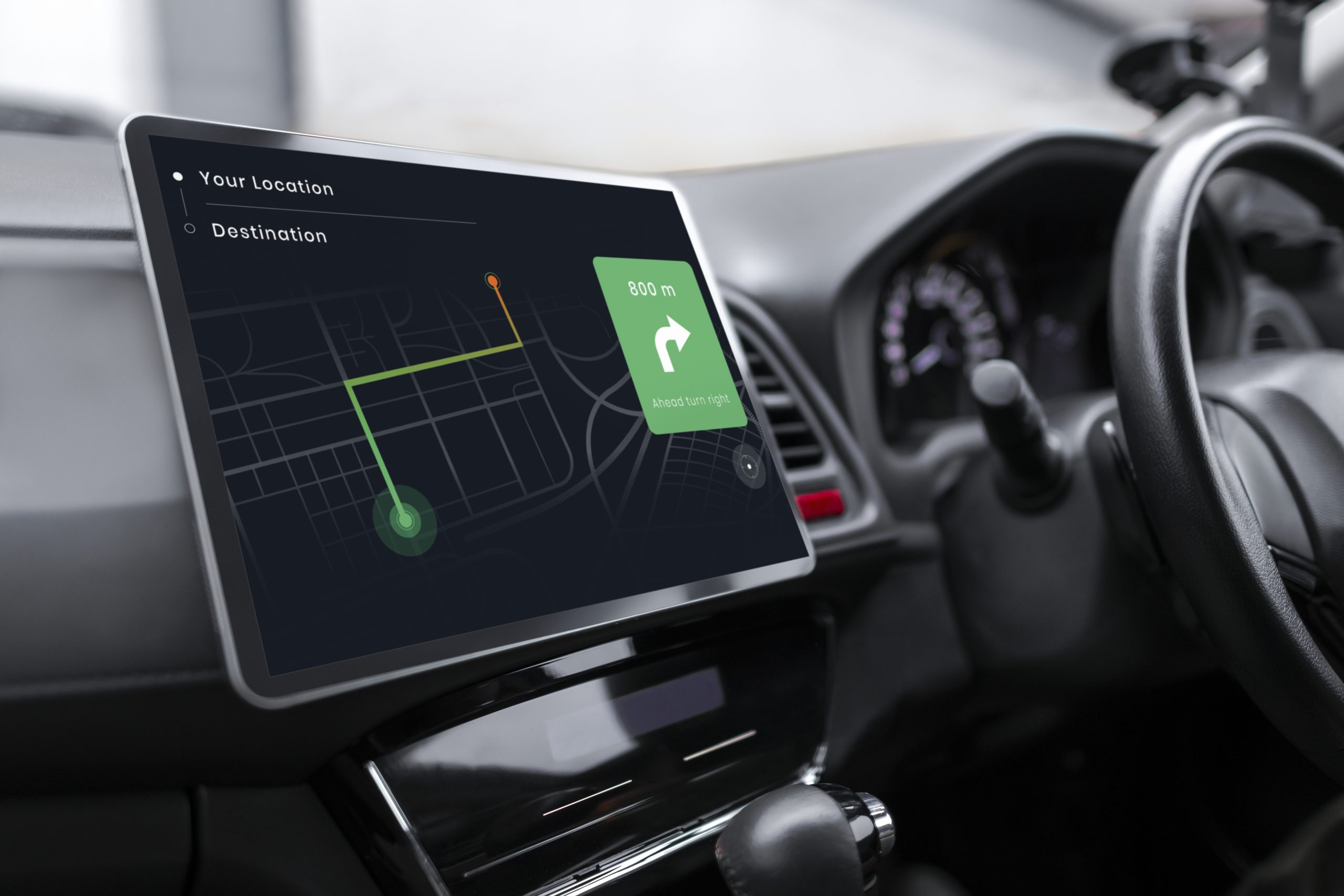
Photo by Samuel Foster on Unsplash
Cons of having a tracking system in your car
Information used for legal situations
It’s no secret that the ICE agency uses license plate tracking while searching for undocumented immigrants. This information is useful for tracking protesters or other people engaged in civil disobedience activities. The information they receive is practically pieces of evidence against you by law enforcement.
Information used for marketing
It is possible for private companies to profit from your personal information. Many companies already use data about your habits, preferences, and purchasing habits to find new ways to sell to you. Insurers may also use data to show that your risk has changed, which could hurt you in the long run. Even if you don’t want to be tracked while driving, your insurance premiums could go up if mandatory usage-based insurance programs become the norm.
Breach of privacy
Car tracking devices or systems could be used by others to keep track of your whereabouts. Your privacy and safety are clearly jeopardized if a hacker or other malicious person gains access to systems that track your movements.
How can a tracking device or system in your car track you?
If it’s you installing a tracking system on your own vehicle, then you have an idea of its functions. But there are other ways that you are getting tracked without you might be unaware of.
Via your car’s entertainment system
If you ever use Bluetooth or a USB connection to connect your smartphone to your car’s entertainment system, your phone’s data can be accessed by the car’s system. Your phonebook, call logs, text messages, and location data are all included in this. There is currently no regulation in place regarding how companies can use this information. Several states’ law enforcement agencies have access to this data.
Via smartphone apps
Both Android and Apple smartphones have built-in location services. Most people’s smartphones track their movements, but they also have a slew of third-party apps doing the same. Apps frequently ask for permission to access your location information. In order for this to work, the phone must already be tracking it.
Via event data recorders
Event data recorders (EDR), also known as “black boxes,” are found in nearly all new vehicles. During an accident, these recorders gather information about your driving habits, such as the speed at which the car was traveling and the time it took the airbag to deploy. EDRs have a much smaller scope of application than any of the other tools featured here. Your driving habits aren’t tracked or transmitted in any other way by these devices. To access EDRs, someone must intentionally do so, such as after an accident.
Via telematics devices
In order to reward you for driving safely and/or minimally, some insurance companies offer usage-based insurance programs that let you install a telematics device in your car. If you choose to use one of these programs, you’ll be able to see exactly what data is being tracked because the companies that offer them are required to make that information publicly available. Telematics devices are generally yours to use, which is a good thing.
Via your car itself
In recent years, a growing number of automobiles have been equipped with active tracking technology. Even if you think it’s unethical for them to do so without telling you, they will insist that they do so. It’s buried in legalese that most people don’t bother to read in the paperwork you sign when you buy a car. There are currently 78 million vehicles on the road equipped with this type of tracking system. Experts predict that 98% of all new cars sold will come equipped with this feature within the next few years.
Here’s more info on top-rated airport parking, the best parking spots in your city, the most affordable insurance for your car, and top-rated car washes near you.
Get 10% off in the Way App in the Way App!

- Scan and get the Way App Download the Way App
- Log in to your account
- Use code FIRST10 at checkout