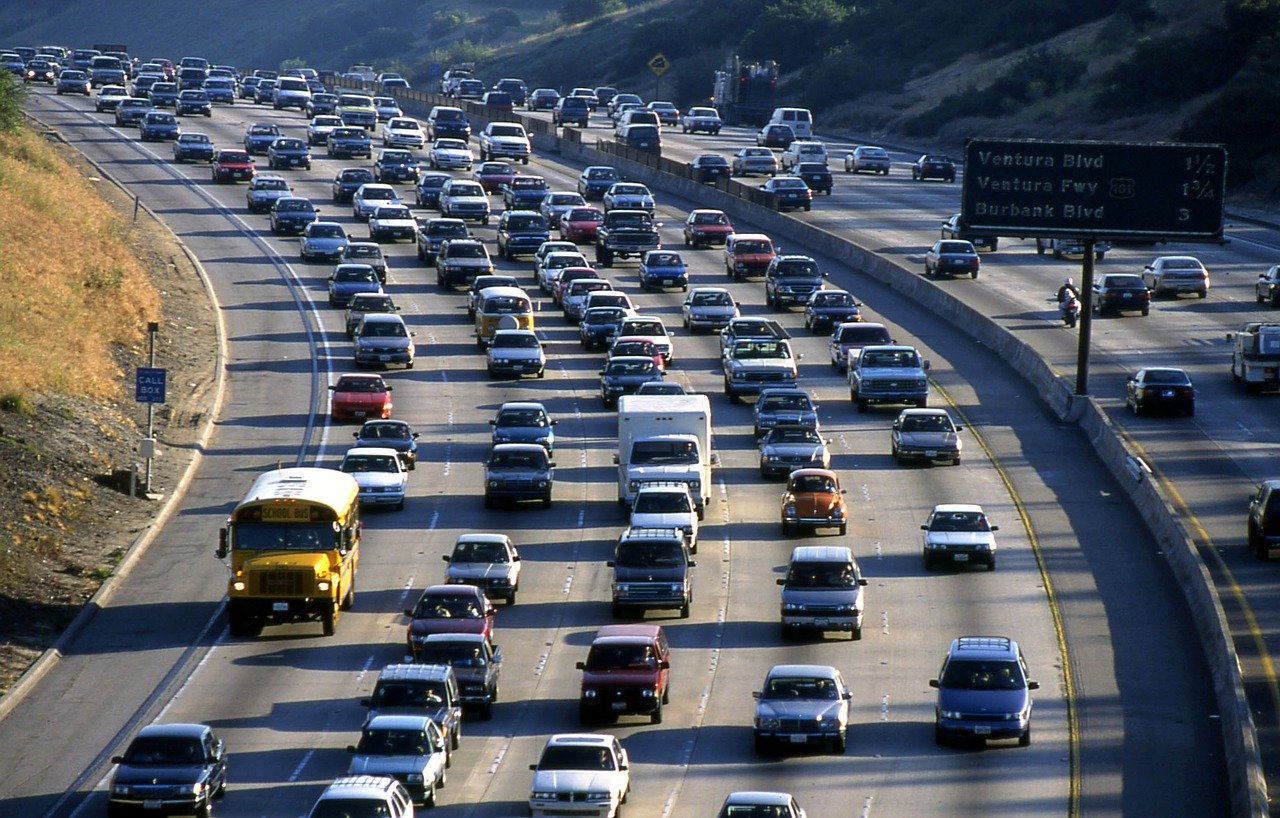
Is there a difference between a freeway and a highway? Yes – a small one, but significant. All freeways are highways, but not all highways are freeways. So, what about expressways? Before it gets more confusing, let’s figure out the difference between these roadways.
Whether it’s on your daily commute or annual road trip, highways are a significant part of the travel experience. The NHS (National Highway System) covers over 160K miles, some of which are freeways. But most people refer to high-speed roadways as ‘highways’ or ‘freeways’ interchangeably.
You are not entirely wrong because the difference between a freeway and a highway is subtle. Both terms refer to a roadway with higher speed limits. This is to facilitate smoother traffic flow and reduce travel time.
But can you call any highway a freeway? No.
Read: What is roadside assistance and do you really need it?
What is a highway?
In the US and across the world, highways are roadways that have a higher speed limit than other roads. They are broader and usually have multiple lanes for traffic. But highways can also be two-laned roads with wider shoulders.

What is a freeway?
The Manual on Uniform Traffic Control Devices defines freeways as divided highways with complete control of access. So, they are also called control-access highways. Designed for high-speed vehicular traffic, freeways have limited traffic control. To ensure “free-flowing” traffic, freeways do not have traffic signals, intersections, crossings with railways or other roads, and property access.
Freeways usually connect major cities and offer ideal conditions for trucking, shipping, or long-distance road travel. While exit/entrance ramps strictly control access to these roads, underpasses and overpasses allow cross-traffic. Frontage roads provide access to properties adjacent to a freeway.
Highway vs. Freeway
The main difference between a highway and a freeway is limited or controlled access. You can only get on a freeway via ramps at designated points. The speed limits on freeways are generally higher than on highways. And to further reduce travel time between cities, all interruptions to the constant flow of traffic are removed.
Rest areas are common on freeways so that travelers can stop without completely exiting the road. The right lane is reserved for exiting/entering the roadway on a three-lane freeway. The left lane is only for passing, and the middle lane is for driving when not passing or exiting. Additional lanes on freeways are common near congested or metro areas.
Read: Beware of uninsured motorists on the road
Are Freeways also called Expressways?
Expressways are divided highways with partial control of access, while freeways have full control of access. So, all freeways are expressways, but all expressways are not freeways.
Access to freeways is completely controlled via ramps, with no other interruptions to the flow of traffic. Expressways, on the other hand, may have at-grade intersections and driveways. However, cross-traffic on an expressway is much less than on an ordinary road.
In conclusion, freeways or expressways are types of highways. The basic difference between a freeway and a highway is restricted access that regulates the flow of traffic and reduces travel time with higher speed limits and minimal interruptions.

Here’s more info on top-rated airport parking, the best parking spots in your city, the most affordable insurance for your car, and top-rated car washes near you.
Get 10% off in the Way App in the Way App!

- Scan and get the Way App Download the Way App
- Log in to your account
- Use code FIRST10 at checkout