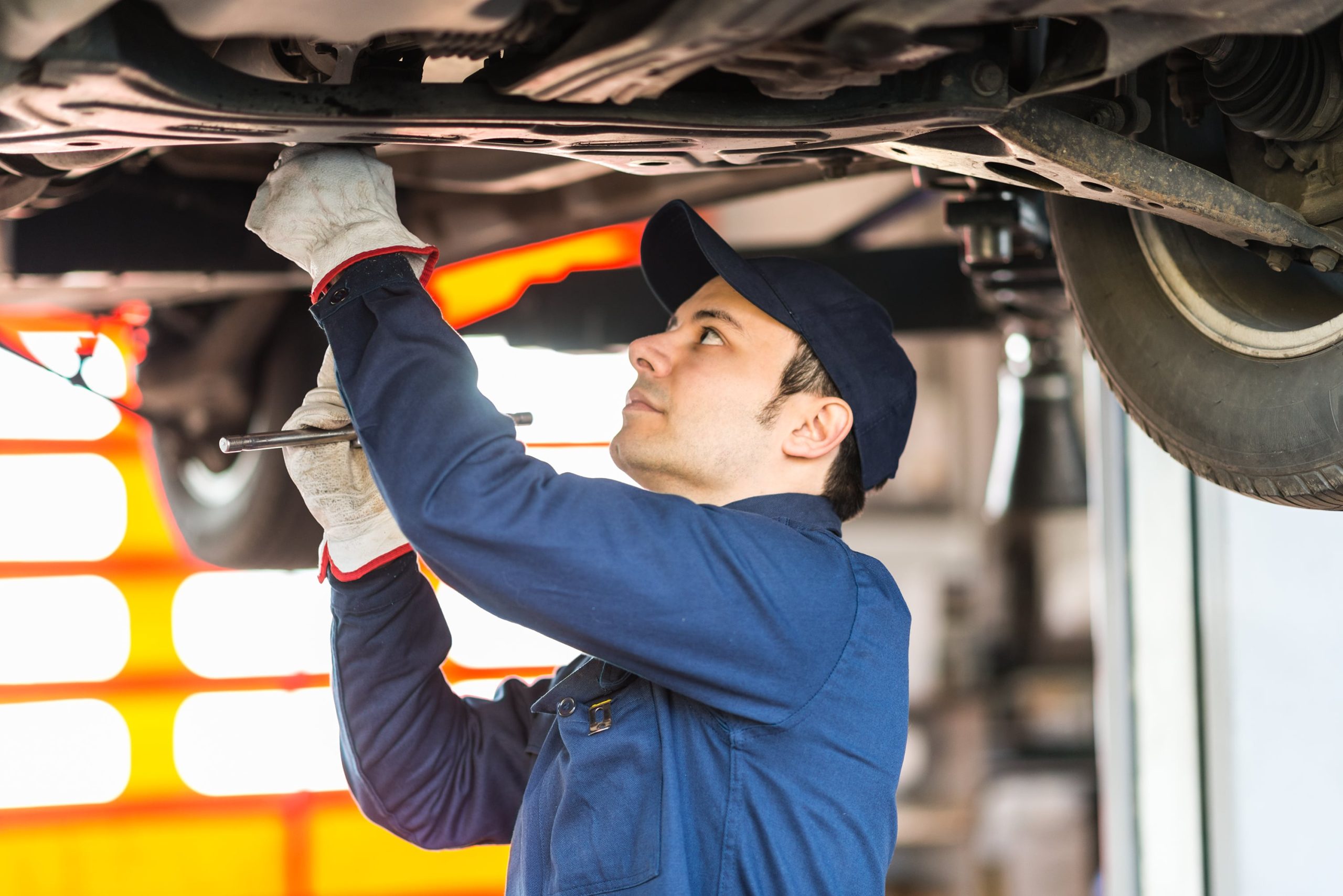
Modern gas and diesel vehicles rely on a catalytic converter for fuel-efficiency. A car’s catalytic converter removes harmful exhaust fumes produced by the engine’s combustion process. Catalytic converters get clogs over time as a result of exhaustion. Cleaning a catalytic converter rather than replacing it is the most cost-effective method. And this blog focuses on how to clean a catalytic converter.
How to diagnose a clogged catalytic converter?
Your car’s onboard diagnostic (OBD) system has a link to catalytic converters with sensors. An error code will be generated by the sensor if the catalytic converter is not performing to its maximum potential, and the driver will be informed via a notification or warning light. However, Catalyst System Efficiency Below Threshold is the most commonly encountered error code, P0420. There may be an issue upstream that is causing a converter to lose efficiency, even though the name suggests otherwise. Other signs are:
- The stench of a rotten egg
- Starts that are difficult to manage
- Sluggish acceleration
- Power loss and poor fuel efficiency

What causes a catalytic converter to get clogged?
Nonetheless, the catalytic converter has a direct link to the combustion process, which can lead to a variety of problems. The following are some of the more typical examples:
Improper fuel-to-air ratio
In short, The fuel-to-air mixtures that are not in proper tune can have a negative impact on a wide range of car components. Because the catalytic converter is located after the combustion chamber, it is susceptible to carbon or fuel buildup under lean or rich operating conditions. In the event that fuel enters the catalytic converter, its internal components could be destroyed.
Bad oxygen/lambda detection
In fact, an engine and its exhaust system consist of sensors. Oxygen levels are always under check by these sensors to ensure optimal performance of the vehicle. These sensors aren’t going to give you the data they need to keep things in check if they’re connected incorrectly, have faulty wiring, or are malfunctioning themselves! There is a risk of overheating that damages the converter without the watchdogs in place.
Damaged body
Things like speed bumps, off-roading, driving over branches, rogue highway tires, and other impediments can physically damage the converter. In the case of any damage to the external shell or internal components, the device could malfunction or even fall apart.
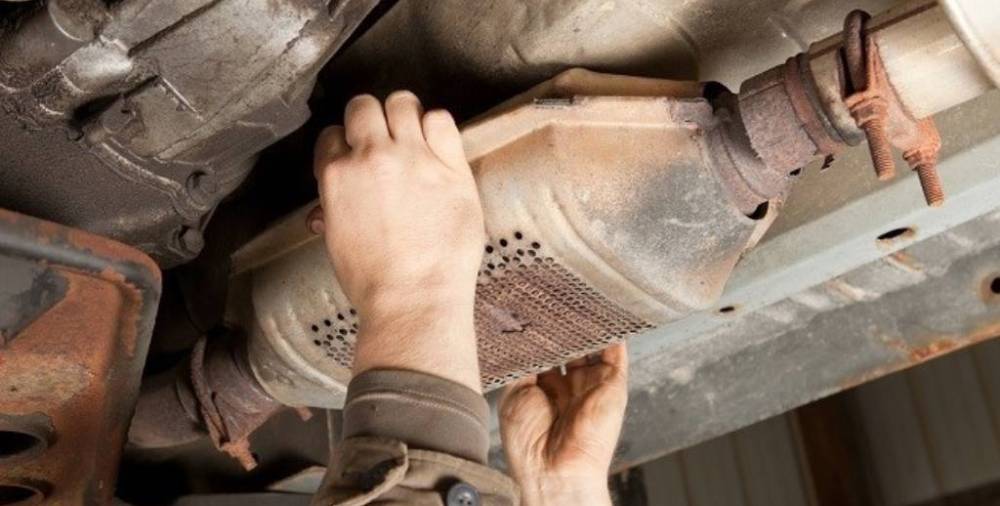
Source : Performancemuffler
Deep cleaning a catalytic converter
This method necessitates more physical effort, and it makes use of products that you most likely already have in your home. Not recommended for those who have never dismantled and reassembled cars before. If this is your first time doing so, you should seek the advice of a professional. Follow these steps to thoroughly clean your catalytic converter:
- Remove the vehicle’s catalytic converter with the proper tools.
- Dish soap and water should be added to a large bucket.
- Soak the catalytic converter, which is now dismantled, in the bucket overnight.
- Make sure that the converter’s honeycomb is free of debris.
- If so, replace the catalytic converter and reassemble the exhaust system.
You can soak it for a few more hours if the soap and water don’t do the trick. But you may need to replace the catalytic converter if your check engine light is still on and the code for a spent converter is still being generated.
Cleaning using catalytic converter cleaner
Alternatively, you can add a catalytic converter cleaner to your gas tank and use that to clean. As soon as the fluid reaches the fuel tank, the gasoline inside is mixed with it. Using these chemicals in the fuel tank breaks down the buildup in the catalytic converter, resulting in a cleaner vehicle. Here’s how you clean using a catalytic converter cleaner:
- Your car’s fuel tank should be only 1/4 full.
- Clean the fuel tank by adding the cleaner. The amount required will vary according to the type of cleaner used.
- Drive for 10 to 15 miles at a reasonable speed.
- Continue driving as normal after you’ve refilled your gas tank.
Keep in mind that these instructions are based on products available on the market. If you’re unsure about anything, read the instructions on the packaging or call a trusted mechanic.
What to avoid while cleaning a catalytic converter
- Assembling the component by immersing it in grout-eating gel, bleach, or other corrosive chemicals
- Making your gas tank full of paint thinner or lacquer
- Catalytic converters that don’t work with your vehicle
- The risk of damaging the vehicle or injuring oneself by attempting to saw off a welded catalytic converter.
Is cleaning the catalytic converter always effective?
If cleaning the catalytic converter with either method does not yield results, it is time to invest in a new converter. The cost of a replacement is high, but it ensures that your vehicle is safe and functional.
Also, if you have an internal oil or coolant leak, cleaning may not help. There will be thick smoke and soot clogging the system if these areas leak into the hot converter. Breaks in valve seals, damaged piston rings, and crankcase ventilation blockages are all indications of leakage.
Here’s more info on top-rated airport parking, the best parking spots in your city, the most affordable insurance for your car, and top-rated car washes near you.
Get 10% off in the Way App in the Way App!

- Scan and get the Way App Download the Way App
- Log in to your account
- Use code FIRST10 at checkout