Does your OBD Scanner display the error code P1457? Are you clueless about what to do next and how to fix your car? Worry no more! Here’s everything you need to know about error code P1457 and how to fix it.
What’s error code P1457?
The error code P1457 is defined as Evaporative Emissions Control System Leakage EVAP Canister System. Also, Error code P1457 is manufacturer-specific – this means the trouble code only applies to a certain vehicle. The trouble code P1457 is commonly associated with Honda. Therefore, it’s best to refer to the manufacturer’s specific advice to repair your vehicle.

What causes error code P1457?
The EVAP (evaporative emission) system in a vehicle controls its emissions. It stores the vapor that originates from the fuel tank in the EVAP canister. The intake manifold vacuum then draws the vapor into the engine to burn. This process prevents the emission of harmful materials and helps regulate the engine’s temperature.
The EVAP comprises two main parts – the canister side and the valve side. The canister side is the portion from the two-way valve to the purge valve. On the other hand, the tank side is the area from the two-way valve to the fuel tank.
This separation allows you to easily narrow down the problem and location when the trouble code is triggered. Usually, the code indicates a small leak on the EVAP’s canister side. Also, leaks of .02 inches in diameter or smaller will trigger P1457 without other error codes. While larger leaks will trigger EVAP system codes P0440 to P0457.

What are the common symptoms of the P1457 code?
Like other error codes, you can notice the ‘check engine light’ turned on when the P1457 code is triggered. There are usually no other obvious symptoms you will notice. This trouble code does not cause any engine or drivability issues. Most times, you will notice a foul odor caused by the release of fuel vapors.
What are the possible causes?
Here’s the list of possible causes for the error code to appear:
- Missing or damaged fuel cap
- Using incorrect filler cap
- The fuel filler cap doesn’t close or remains open
- Foreign particles trapped in the fuel filler cap
- Broken/defective EVAP canister
- Defect in purge control solenoid
- Defective fuel tank pressure sensor
- Corroded EVAP canister vent valve
- Damage/leaks in vacuum lines around the canister
Is the P1457 code serious?
The P1457 is not a serious issue. It does not affect your engine or cause any drivability issues. On a scale of severity, the P1457 is close to moderate. However, this issue could trigger other problems in your vehicle like poor gas mileage, engine misfire, and others. Therefore, we recommend you fix the problem as soon as possible before it becomes an expensive issue.
How to fix the P1457 trouble code?
Here are the steps you can follow to fix the issue:
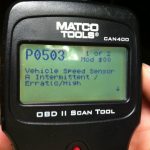
- The first step is connecting the OBD 2 scanner. Here’s our detailed blog on how to connect the OBD 2 scanner to your vehicle.
- Now check the trouble codes displayed. If there’s any code related to the engine or fuel system, start working on that.
- Drive your car and scan it again once you’ve cleared the EVAP or fuel system code. If the P1457 code still exists. Follow the steps below.
- First, make sure the gas cap is present. Next, remove it and check if there are any cracks or damages. If you find it damaged or worn out, replace it.
- If the gas cap is filled with dirt and grime, clean it. Now try the scanner again. If the code still exists, remove it, inspect it for cracks or damage, and clean it thoroughly. The most common reason for the P1457 code is a damaged or worn-out cap. The caps are cheap and easy to replace.
- If the gas cap replacement does not clear the code, inspect the EVAP’s canister side vacuum lines. Check the connections and hose ends for any leaks. While you are at it, feel for any damaged parts that you cannot see.
- Next, inspect the fuel tank and charcoal canister. See if there is any leak or damage. Suppose you notice any damage in these parts. In that case, it’s best to seek the help of a mechanic because these components are difficult to replace.
- Finally, locate the canister vent valve and check it. Corrosion, exposure to moisture, and contaminants can cause the leak and trigger the trouble code. If you find the valve damaged and old, have it replaced.
Even after following the steps mentioned above, if the code still exists, it’s best to go to a mechanic nearby.
How much does it cost to fix the P1457 issue?
P1457 error code repairs can cost you $70 to $160 per hour. But, remember, the rates can differ based on the time taken for repair, the vehicle’s model and make, your engine, and other factors.
How to prevent the P1457 error code?
A damaged or improper gas cap is often the reason for triggering the P1457 code and other EVAP-related issues. To prevent these issues in the future, make sure you tightly close your cap after filling the tank. Also, a damaged fuel cap will allow the entry of dirt, moisture, and other contaminants into the fuel system and cause damage. Therefore, if you notice a damaged cap replace it immediately.

Here’s more info on top-rated airport parking, the best parking spots in your city, affordable auto insurance, easy auto refinance, and high-quality car washes near you.
Get 10% off in the Way App in the Way App!

- Scan and get the Way App Download the Way App
- Log in to your account
- Use code FIRST10 at checkout