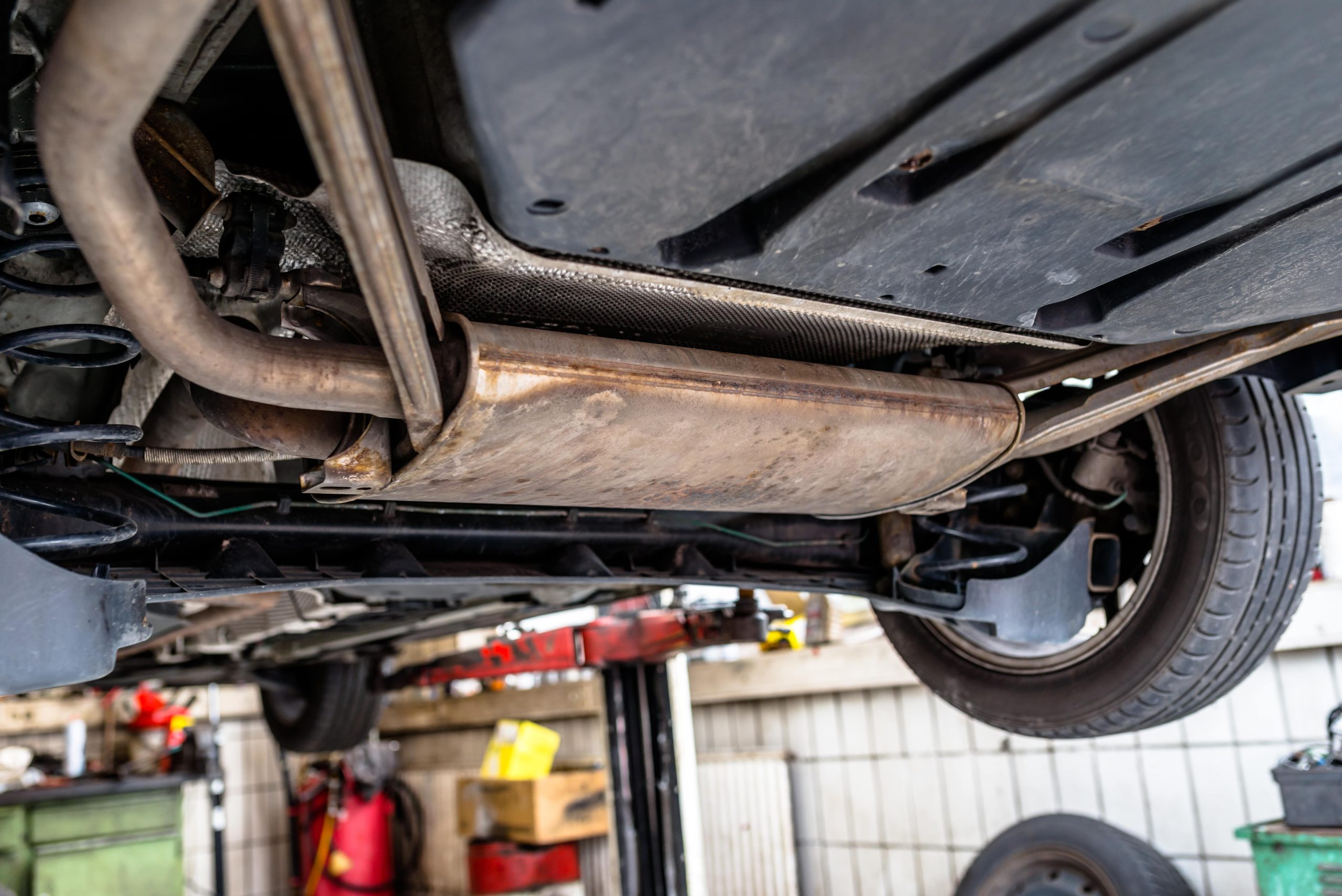
Is it possible to drive a car without a catalytic converter? Did you know that removing a cat-con is illegal in every state, including those that do not enforce emissions rules? If you remove the converter yourself (a reputable service won’t usually do it), consider that intentionally disabling a car’s emission system is a criminal offense. The government has the legal authority to fine you tens of thousands of dollars if you do so.

Can you drive without a catalytic converter?
Yes, you can drive without a catalytic converter as a general rule. The next question you should ask yourself is, ‘Is it illegal to drive without a catalytic converter?’ Do you live in an area where it’s illegal to drive without a catalytic converter? Then you’ll likely fail an emissions test if you don’t have one.
As part of a car’s exhaust system, the catalytic converter helps to reduce air pollution. You will not harm your engine or your car in any way by driving without a catalytic converter. It’s not always a good idea to drive around without one, even if it works.

Can a car run without a catalytic converter?
Driving without a catalytic converter is generally not a problem. Even if you only need to drive without a catalytic converter for a short time, there are numerous good reasons to do so. It is common for catalytic converters to be designed to last for the life of a car.
Do all cars have a catalytic converter?
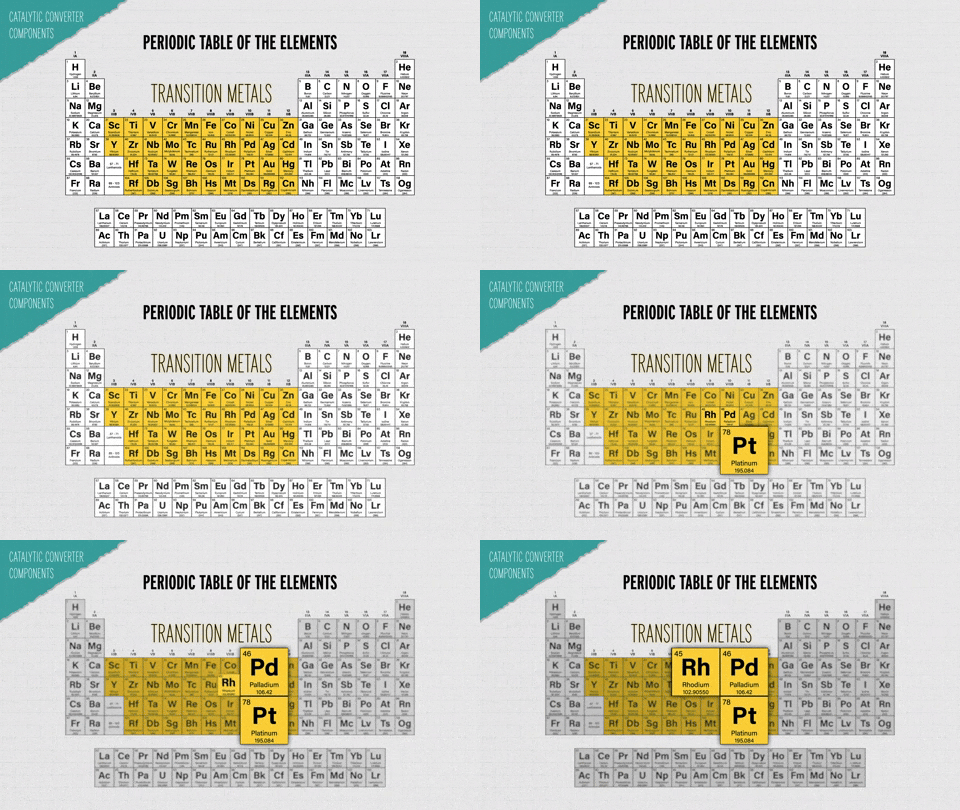
There are usually platinum, palladium, and rhodium in catalytic converters. These metals then oxidize and filter out hydrocarbons and carbon monoxide. Thieves target catalytic converters for their precious metals, which can be worth a lot of money when melted down in some cases. Theft of a catalytic converter from a driveway-parked car is not uncommon for these thieves. Your car’s catalytic converter must be replaced with a new one or a piece of exhaust pipe before you can start it up again if it’s been stolen.

Are you driving without a catalytic converter? Know what happens
Without the catalytic converter, your car won’t perform as well as it would if it were equipped with one. Without a cat, the oxygen sensors installed before and after the cat will not operate within range. Engine fault codes will be generated, and engine performance will suffer as a result. While removing the catalytic converter will not harm the engine, you can expect a reduction in engine power as well as a reduction in fuel economy.

Here are some things to expect if you drive without a catalytic converter:
Engine Light and Engine Error Code P0420
Post-cat oxygen sensors attached to the exhaust measure how effective a catalytic converter is at reducing emissions. The ECU will receive a signal from the post-cat oxygen sensors to change the fuel mixture due to this change. The catalytic converter is likely to source this check engine light and engine trouble code P0420.
Change in Exhaust Sound
The exhaust noise will be much louder and raspier without it, and there will be less noise, but it will still be louder than before if a properly-fitted exhaust pipe or similar pipe is used instead of the cat.
Affecting Fuel Economy and Engine Performance
ECU monitors emissions. When an ECU detects changes it adjusts the fuel mixture in each cylinder. Reducing hydrocarbons and carbon monoxide emissions is impossible by changing the fuel mix in most modern cars without removing the catalytic converter. When the ECU receives out-of-range signals from the oxygen sensor, it is forced to use a default fuel-to-air mix, which reduces overall fuel economy. ECU will limit the amount of power available while the problem is being fixed.
Here’s more info on top-rated airport parking, the best parking spots in your city, the most affordable insurance for your car, and top-rated car washes near you.
Get 10% off in the Way App in the Way App!

- Scan and get the Way App Download the Way App
- Log in to your account
- Use code FIRST10 at checkout